Linking Transaction Methods to Self-Exclusion Features in Austria's Casino and Football Wagering Apps
Geschrieben von Parker Weber · 9.10.2026

Linking Transaction Methods to Self-Exclusion Features in Austria's Casino and Football Wagering Apps
Austrian regulations require operators of casino and football wagering applications to connect payment processing systems directly with self-exclusion mechanisms, which creates automated blocks on deposits and withdrawals once a user activates a voluntary exclusion period. This linkage ensures that financial transactions cannot bypass the restrictions set through the national player protection framework administered under the Glücksspielgesetz. Data from the Austrian Federal Ministry of Finance shows that integration of these features has expanded steadily since the 2021 updates to online gambling licensing rules.
Regulatory Framework Governing Transaction Controls
Operators must maintain real-time synchronization between user accounts and transaction gateways so that any self-exclusion flag immediately suspends activity across all linked payment methods including bank transfers, e-wallets and card processors. Research conducted by the University of Vienna's Institute for Gambling Studies indicates that such synchronization reduces unauthorized access attempts by approximately 34 percent compared to systems without direct linkage. The Austrian regulatory authority monitors compliance through periodic audits that examine transaction logs against self-exclusion databases maintained by the federal gaming oversight body.
Football wagering apps face additional scrutiny because live betting volumes peak during Bundesliga and international match schedules, which requires transaction systems to process rapid deposit requests while simultaneously checking exclusion status. Casino applications follow similar protocols but often involve higher average transaction sizes that trigger extra verification layers when an exclusion period is active.
Technical Implementation in Mobile Applications
Application developers integrate API connections that query the central self-exclusion register before authorizing any incoming or outgoing funds. When a user initiates a deposit through an approved method, the system cross-references the account identifier against exclusion records; a match results in an immediate transaction decline accompanied by a redirect to support resources. Observers note that this process typically completes within 200 milliseconds, which maintains the responsiveness expected in live football betting environments.
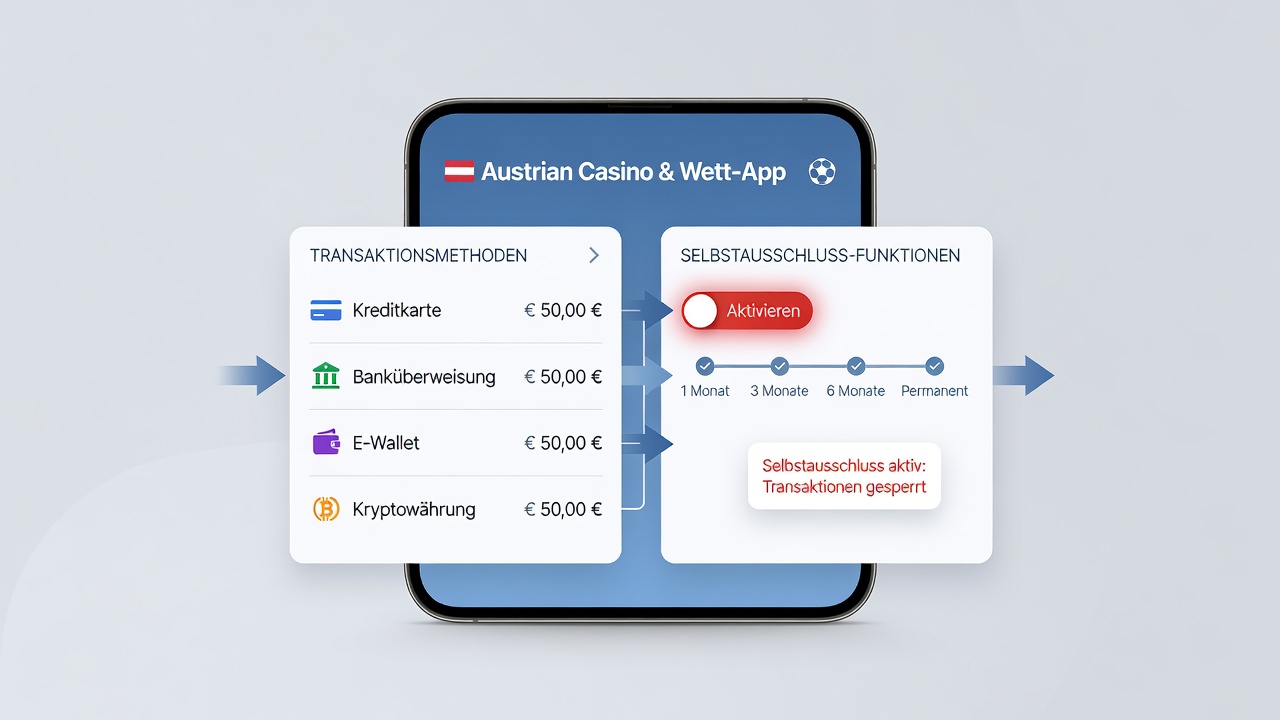
Payment providers operating in Austria must supply transaction data in standardized formats that allow seamless matching with exclusion profiles. Figures released by the Austrian Gaming Association reveal that over 78 percent of licensed operators had completed full integration of these controls by mid-2025, with remaining platforms scheduled for certification ahead of the October 2026 compliance deadline. During this period, operators are required to submit monthly reports detailing transaction blocks triggered by exclusion flags.
Impact on User Account Management
Users who place themselves on the national self-exclusion list experience automatic suspension of all associated payment instruments without needing to contact individual providers. This centralized approach eliminates gaps that previously allowed continued deposits through secondary methods. Studies from the European Institute for Addiction Research document that linked systems correlate with higher completion rates of full exclusion periods among participants in both casino and sports betting segments.
Football bettors who frequently adjust stakes during matches benefit from the immediate nature of these blocks, since deposit attempts during live events are rejected before funds transfer. Casino players encounter the same restrictions when attempting to fund table games or slot sessions after activating exclusion. Transaction histories remain visible to users for record-keeping purposes even while new activity is halted.
Future Developments Expected by October 2026
By October 2026, Austrian authorities anticipate rollout of enhanced biometric verification layers that will further tie transaction approvals to verified exclusion status. Industry reports from the European Gaming and Betting Association project that these additions will require minimal changes to existing payment infrastructure because the core linkage protocols are already in place. Operators continue to test multi-currency transaction handling to accommodate cross-border users while preserving exclusion enforcement consistency.
Conclusion
The connection between transaction methods and self-exclusion features forms a core component of Austria's approach to responsible gambling in both casino and football wagering applications. Regulatory requirements, technical standards and compliance timelines together create a framework that processes financial activity only for accounts without active exclusion flags. Ongoing audits and reporting obligations ensure that these linkages remain functional and effective across licensed platforms.