How Initial Account Setup Influences Access to Protection Mechanisms in Digital Betting Environments
Geschrieben von Vera Schröder · 23.10.2026
How Initial Account Setup Influences Access to Protection Mechanisms in Digital Betting Environments
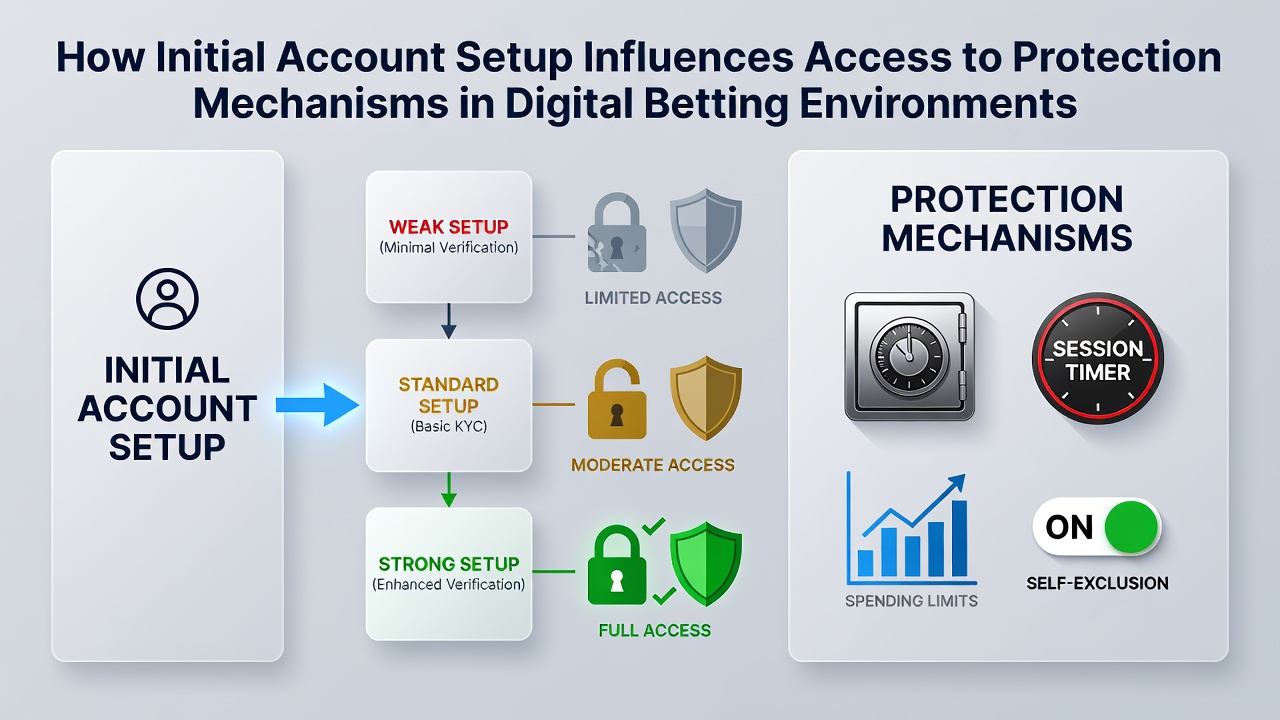
Account creation in digital betting platforms requires users to submit personal details, identification documents, and sometimes proof of address right from the start, and this process directly determines which protection tools become available later. Researchers have observed that verified accounts gain immediate entry to features such as deposit limits, session reminders, and self-exclusion lists, while unverified ones remain restricted until compliance checks clear. Data from regulatory filings shows platforms enforce these gates to meet licensing standards across multiple jurisdictions.
Verification Steps During Signup and Their Role in Tool Activation
Operators collect government-issued IDs, facial recognition scans, or bank statements within the first minutes of registration, and this data feeds into automated systems that unlock protection mechanisms once approved. Studies indicate that accounts passing verification within 24 hours receive access to reality-check pop-ups and loss-limit calculators, whereas delayed approvals keep those functions disabled. Figures from industry reports reveal verification completion rates hover around 85 percent when users upload documents promptly during initial setup.
Take one platform operator that integrated real-time document checks in early 2025, and observers note users who completed the process early could set spending caps on the same day while others waited several days before the same options appeared. This sequence matters because many jurisdictions tie player-protection access to confirmed identity, preventing anonymous accounts from bypassing safeguards entirely.
Regulatory Requirements Linking Setup to Protections
Multiple licensing bodies require operators to connect identity verification with responsible gambling features before any real-money activity begins, and this rule shapes how platforms design their onboarding flows. According to data compiled by the National Council on Problem Gambling, operators in regulated markets must demonstrate that verified users can activate self-exclusion tools within the first week of account activity. National Council on Problem Gambling reports highlight that incomplete setups often leave players without these options until full compliance occurs.
Yet platforms in regions such as parts of Canada and Australia follow similar patterns, where initial data entry triggers backend flags that either grant or withhold access to time-out functions and financial blocking services. Research indicates these connections reduce unauthorized account sharing because protection settings tie directly to the verified individual rather than a generic login.
Impact on Self-Exclusion and Limit-Setting Features
Self-exclusion programs depend on accurate initial records because operators cross-reference submitted details against centralized databases before activating bans that can last months or years. When users skip or delay document uploads during signup, the system withholds exclusion options until verification finishes, creating a window where no such protections exist. Evidence from platform audits shows that accounts verified at creation experience faster enrollment in voluntary exclusion lists compared with those verified weeks later.
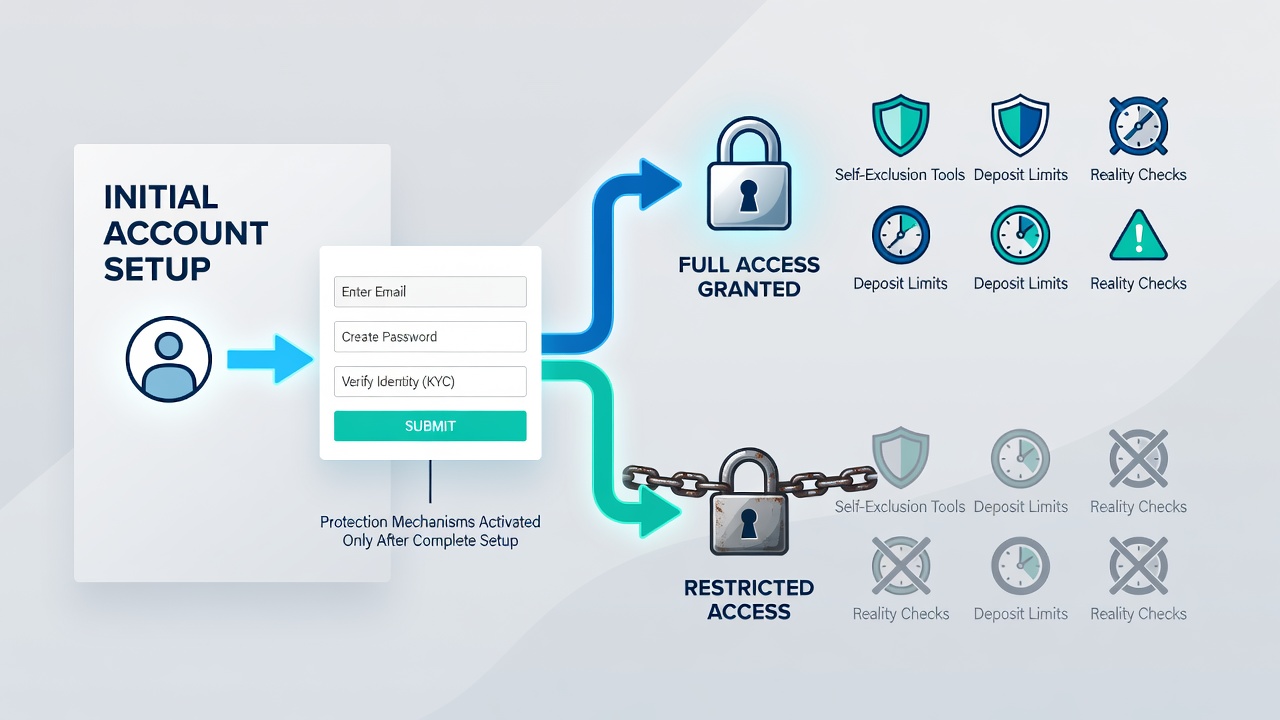
Deposit and wager limits follow the same logic, activating only after the platform confirms the user's identity and links the account to approved payment methods. Those who've studied onboarding data note that incomplete profiles frequently trigger temporary holds on limit-setting interfaces, directing users back to upload missing paperwork first. In October 2026 several operators plan to roll out enhanced biometric checks during signup, which could shorten the time between registration and full protection access for compliant users.
Examples from Different Markets
One case involved a North American operator that revised its signup sequence in 2024 to require immediate address verification, and subsequent internal reviews found quicker activation of session-time alerts for new players. Another example comes from Australian-facing platforms that tie initial mobile number confirmation to access for reality-check reminders, reducing the number of unmonitored sessions reported in quarterly summaries. Australian Institute of Family Studies research documents similar patterns across multiple operators where early verification correlates with higher usage of available safeguards.
These examples illustrate how the first steps in account creation set the conditions for later tool availability rather than leaving protections as optional add-ons after betting begins. Platforms that streamline verification during setup report fewer instances of delayed protection requests because the necessary data already resides in the system.
Conclusion
Initial account setup establishes the foundation for protection mechanism access by embedding verification requirements that unlock tools only after compliance standards are met. Regulatory frameworks across regions reinforce this structure, ensuring operators cannot grant full feature sets to unconfirmed profiles. Data collected through 2025 and into 2026 continues to show that streamlined onboarding processes shorten the gap between registration and safeguard availability, while incomplete setups maintain temporary restrictions until documents clear. This linkage remains a core element of how digital betting environments manage player protections from the outset.