Decoding Payment Pathways and Their Impact on Self-Limiting Features Across Austrian Digital Wagering Platforms
Geschrieben von Parker Weber · 6.11.2026
Decoding Payment Pathways and Their Impact on Self-Limiting Features Across Austrian Digital Wagering Platforms
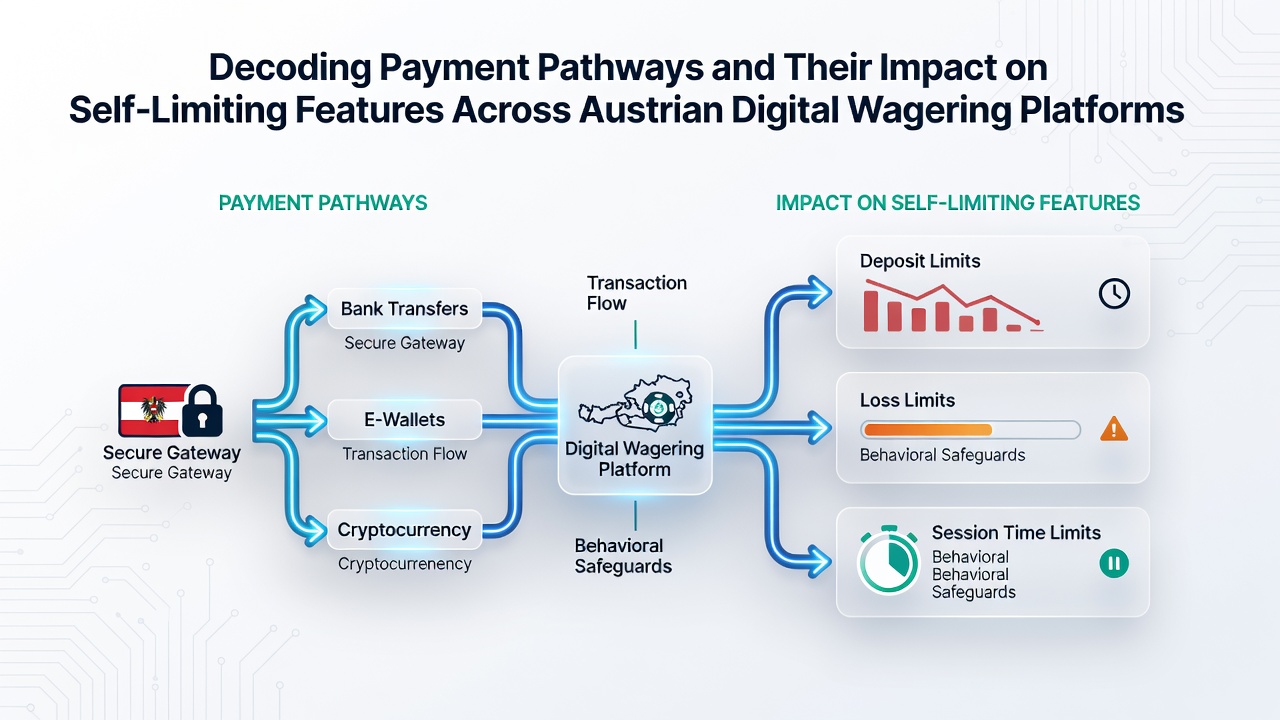
Payment pathways in Austrian digital wagering platforms connect directly to self-limiting features through technical integrations that track transactions in real time, and observers note how these connections shape user controls over deposits, session durations, and exclusion periods. Austrian regulations require licensed operators to embed limit-setting options at the point of transaction processing, which means methods like bank transfers, e-wallets, and card payments each carry distinct capabilities for enforcing daily or monthly caps. Data from platform audits shows that instant payment systems often trigger immediate balance checks against preset limits, whereas slower methods such as traditional bank wires introduce delays that can affect the timing of self-exclusion activations.Common Payment Pathways and Their Technical Links to Limits
Bank transfers remain a primary option on many Austrian sites, and researchers have documented how these routes typically require manual verification steps that align with self-imposed deposit ceilings enforced by the platform's backend systems. E-wallet services process funds faster in most cases, which allows operators to apply real-time alerts when users approach their chosen thresholds, and figures from industry reports indicate higher compliance rates among players using these methods because notifications arrive within seconds of a transaction attempt. Card-based payments follow similar patterns yet introduce additional layers of issuer-side approvals that sometimes interact with platform-level time limits, creating scenarios where a declined charge coincides with an automatic session timeout.
Those who have examined transaction logs across multiple operators find that cryptocurrency options, though less common due to regulatory constraints, offer granular tracking features that feed directly into self-exclusion databases maintained by the Austrian authorities. This integration means a single crypto deposit can simultaneously update spending records and trigger cooling-off periods if the user has activated such protections in advance. Payment gateway providers collaborate with wagering platforms to standardize these data flows, and evidence from compliance reviews suggests that standardized APIs reduce errors in limit enforcement compared to older, custom-built solutions.
Regulatory Framework Governing These Interactions
Austrian law under the Glücksspielgesetz mandates that all licensed platforms display self-limiting tools prominently during the deposit process, and authorities monitor how different payment channels comply with these display requirements. In November 2026 updates to reporting standards are scheduled to take effect, requiring operators to submit aggregated data on payment method usage alongside limit activation statistics, which will provide clearer insights into which pathways most effectively support user protections. External audits by independent firms verify that these features function as intended, with particular attention paid to cross-border transactions that might bypass domestic controls.
Studies conducted by academic institutions in neighboring EU countries have compared Austrian systems to those in other member states, revealing that seamless payment-limit linkages correlate with fewer instances of users exceeding their self-set boundaries. One analysis examined transaction records from several platforms and found that e-wallet users activated deposit limits at higher rates than those relying on bank transfers, likely because the former method presents limit reminders at checkout more consistently. These patterns hold across both sports betting and casino-style offerings available on Austrian platforms.
Impact on User Behavior and Platform Operations
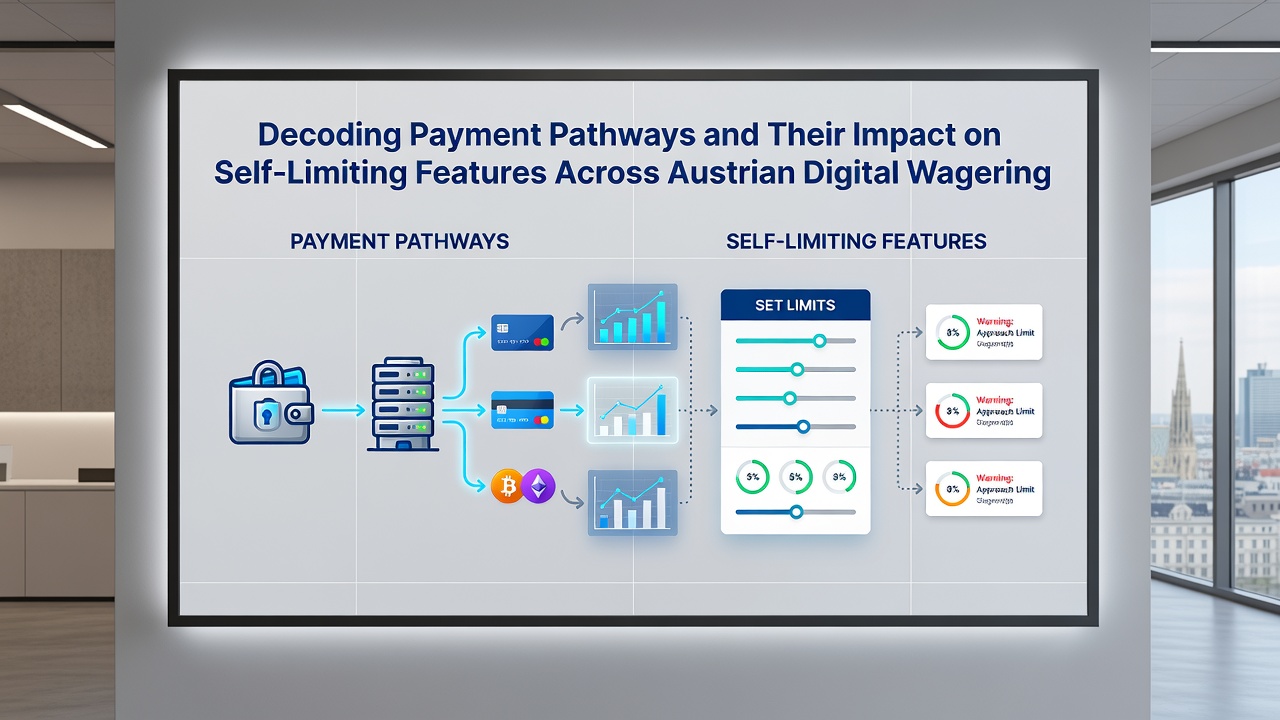
Platform operators report that payment pathways influence how quickly users can activate or modify self-limiting features, and data collected through mandatory reporting channels shows variations based on method speed. Faster pathways enable immediate application of new limits, while slower ones may require users to wait for confirmation before changes take effect. Researchers tracking these dynamics across 2025 and into 2026 observed that integrated systems reduce the window during which users might exceed intended spending levels.
Take one case where experts reviewed logs from a major Austrian operator and noted that users combining e-wallets with pre-set session timers experienced fewer overrides of their limits compared to those using card payments without such pairings. This outcome stems from the way certain gateways automatically query the platform's limit database before authorizing each transfer. Industry organizations have compiled similar findings from multiple jurisdictions, highlighting the role of technical compatibility in maintaining effective safeguards.
According to reports published by the European Commission on online gambling markets, payment method diversity supports broader access to protective tools when operators ensure consistent limit interfaces across all channels. A separate study from the Australian Gambling Research Centre examined comparable systems and confirmed that real-time data sharing between payment processors and exclusion registries strengthens overall compliance without restricting legitimate play. These sources underscore the importance of standardized protocols that Austrian platforms have adopted in recent years.
Future Developments in Payment and Limit Integration
Advancements in payment technology continue to influence how self-limiting features operate on Austrian platforms, with upcoming changes in November 2026 expected to introduce enhanced verification layers for high-volume transactions. Operators are preparing systems that will automatically cross-reference payment attempts against both user-defined limits and regulatory exclusion lists, reducing manual oversight requirements. Observers note that these preparations include testing new gateway connections that prioritize speed alongside accuracy in limit enforcement.
Those monitoring the sector point to increased collaboration between financial institutions and gambling regulators as a key factor driving smoother integrations. Evidence suggests that platforms adopting unified APIs for all major payment types achieve more reliable activation of self-exclusion periods, particularly when users switch between methods mid-session. Continued data collection through 2026 will clarify which combinations of pathways and features deliver the strongest alignment with Austrian consumer protection standards.
Conclusion
Payment pathways shape the effectiveness of self-limiting features on Austrian digital wagering platforms through their technical compatibility with limit-setting and exclusion systems, and ongoing regulatory updates in 2026 will further refine these connections. Data from multiple sources illustrates consistent patterns in how different methods support or complicate user controls, providing operators and regulators with actionable information for system improvements. The interplay between transaction speed, verification steps, and real-time database queries remains central to maintaining compliance across the sector.